The amount of data center the average person needs can fit in a shoebox. Everyone can just run a little server in their closet or whatever. We don’t need gigantic warehouses.
Also, I want most of the services they want to move to the cloud to still work when the net is down.
I may want to use a computer to watch my media library or play a game that I already own with out an active internet connection and ID card. Or, just use a word processor or tax program, or image editor.
Sorry, please provide your ID to log in to the cloud to do basic daily tasks, citizens. This is for your own good, trust us.
It’s been a heavy rainy season here, lots of wind, power and net issues.
Meanwhile, the LAN works on a UPS, solar, and no Internet.
(Sure is nice being able to put on a movie or music playlist, and work on documents, or sort though old vacationphotos when it’s a rainy day with out a cloud failure blocking it.)
We were out after the hurricane last month and it wasn’t until two weeks later that I realized we could have all been watching movies off my generator. 🙄 Oh well. I did have 5 houses running refrigerators and chargers off that crappy genny, so there’s that.
We already did that and the early internet was wildly power inefficient and unreliable. I’d rather have a million websites in one DC than a million server closets splattered all over the planet.
Everyone hosting their services on their own hardware is the web infrastructure equivalent of getting everyone to smelt pig iron in their backyards. Some amount of datacentres are necessary for the functioning of a modern internet.
The problems we’re seeing at the moment are a result of artificially inflated demand driven by AI bullshit disrupting supply lines of hardware that could actually be useful to people, the lack of environmental planning, and the condescending refusal by datacentre builders to engage with the reasons communities are opposed to their projects.


The amount of data center the average person needs can fit in a shoebox. Everyone can just run a little server in their closet or whatever. We don’t need gigantic warehouses.
I’m not trusting the average person to not let it turn into a botnet.
People already have phones that can get turned into botnets so I don’t think it’s a new problem.
Hell, just have them host services on the phone with peer to peer networking.
You’re not wrong, but those already exist and are less bad for society than data centers.
Also, I want most of the services they want to move to the cloud to still work when the net is down.
I may want to use a computer to watch my media library or play a game that I already own with out an active internet connection and ID card. Or, just use a word processor or tax program, or image editor.
Sorry, please provide your ID to log in to the cloud to do basic daily tasks, citizens. This is for your own good, trust us.
A couple weeks ago my internet went out and it was great that my Plex server still worked on my local network.
It’s been a heavy rainy season here, lots of wind, power and net issues.
Meanwhile, the LAN works on a UPS, solar, and no Internet.
(Sure is nice being able to put on a movie or music playlist, and work on documents, or sort though old vacationphotos when it’s a rainy day with out a cloud failure blocking it.)
We were out after the hurricane last month and it wasn’t until two weeks later that I realized we could have all been watching movies off my generator. 🙄 Oh well. I did have 5 houses running refrigerators and chargers off that crappy genny, so there’s that.
We already did that and the early internet was wildly power inefficient and unreliable. I’d rather have a million websites in one DC than a million server closets splattered all over the planet.
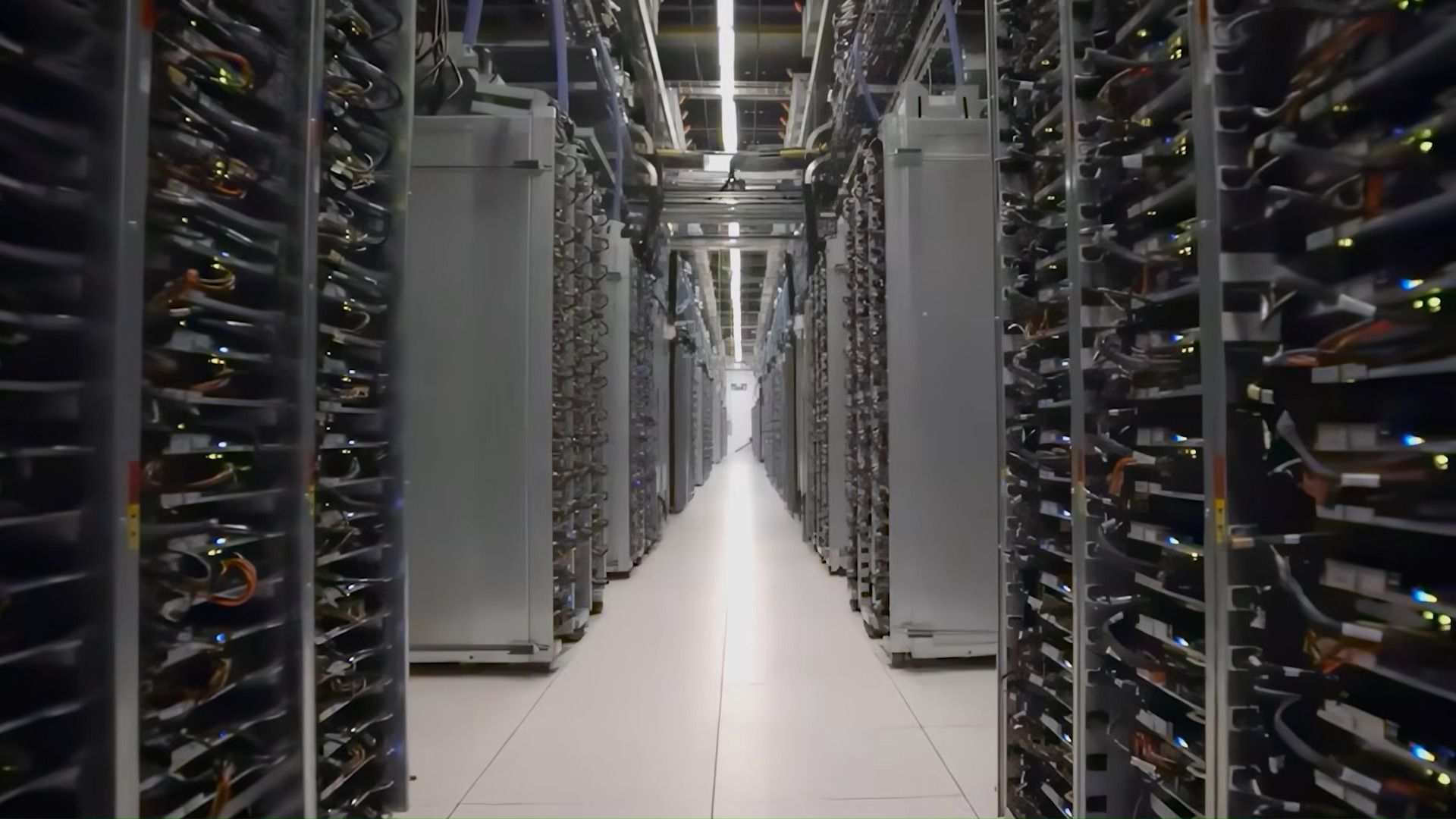
This post brought to you by this DC:
The power efficiency ran us afoul of the Jevons paradox, and more distributed outages is better than fewer universal outages.
Everyone hosting their services on their own hardware is the web infrastructure equivalent of getting everyone to smelt pig iron in their backyards. Some amount of datacentres are necessary for the functioning of a modern internet.
The problems we’re seeing at the moment are a result of artificially inflated demand driven by AI bullshit disrupting supply lines of hardware that could actually be useful to people, the lack of environmental planning, and the condescending refusal by datacentre builders to engage with the reasons communities are opposed to their projects.