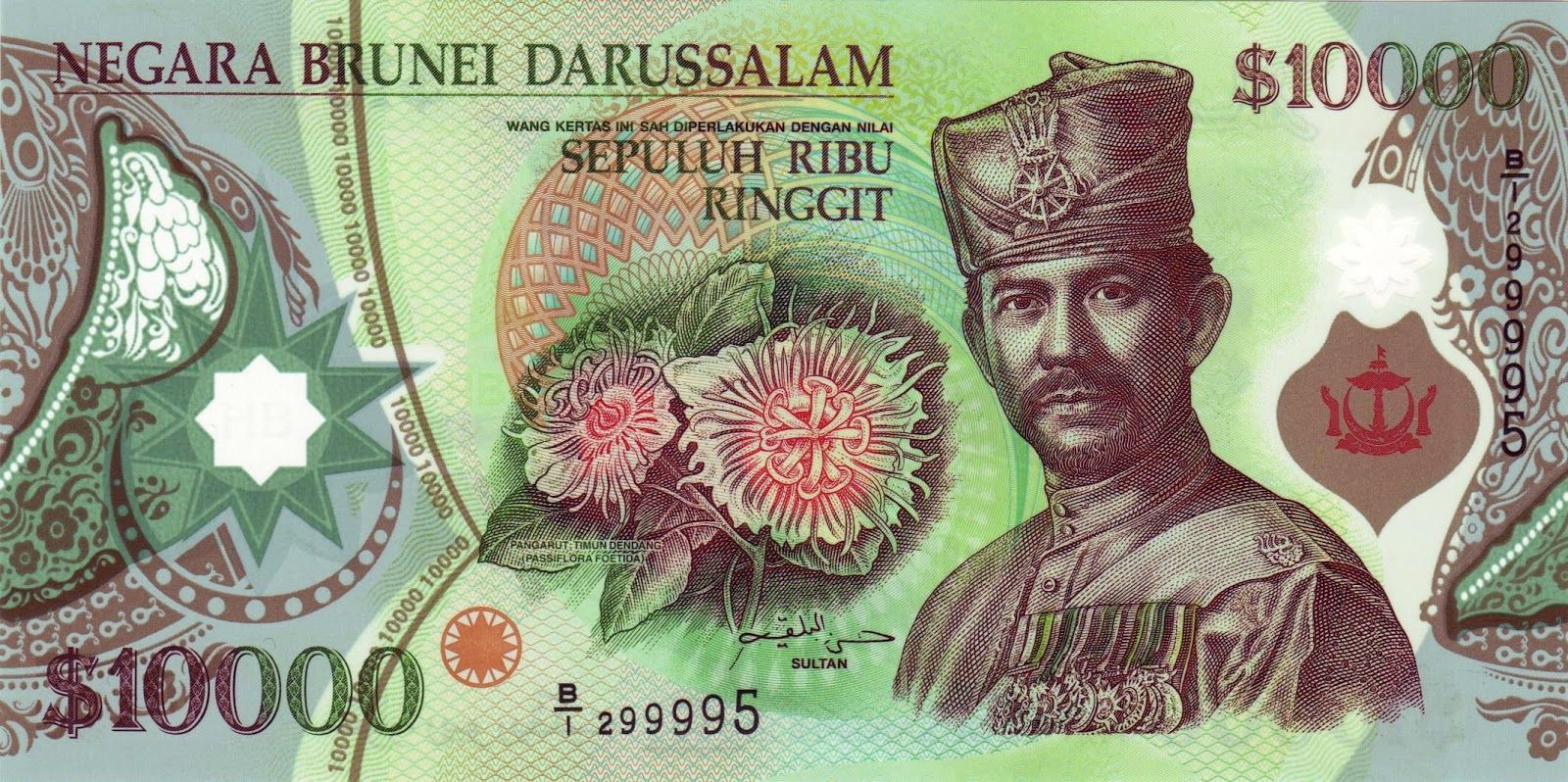
I mean, the 100 USD bill is NOT the highest valued bill in the world, that belongs to the former B$10000 bill (withdrawn) from Brunei (I’m serious, this exists) which is worth $7874 and yes it’s a single bill, also converting to around £5803 & 6677€ respectively. Like why does this bill even exist when it’s hard to encounter, given that Brunei is a petro-state, it comes as no surprise.
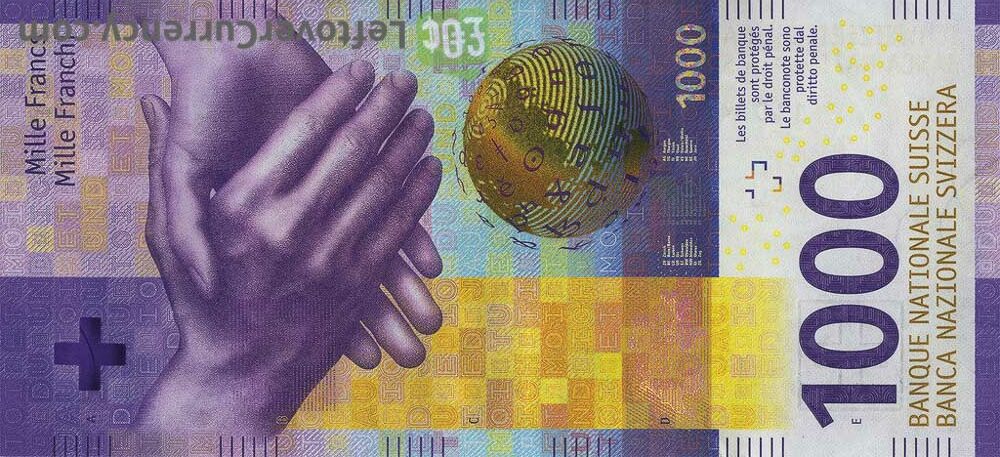
The second highest valued bill is Fr. 1000 ($1278) or £942 & 1084€ which isn’t a surprise for Switzerland to have that due to how expensive it is over there. But, it’s difficult to obtain even in Switzerland and has advanced security features making hard to counterfeit due to its high value (x12 times of $100) but they sell stuff that’s over Fr. 1000 anyway so it makes sense for them to have that.
The reason why they are barely featured in crime movies or mentioned in real crimes relating to counterfeit money is because of their obscurity and the fact that they don’t know both exist (but it does, although either really hard to get your hands on it or ceases to circulate) however still retains their face value. The Swiss Franc is deemed a “safe haven” currency while the US Dollar isn’t.
You must log in or register to comment.
It’s small enough you can use it for innocuous purchases, but unfamiliar enough that most people wouldn’t recognize any defects.
I think a rarer bill would be scrutinized more closely by more people. Someone hands you a 5 and it’s like ‘okay’, someone hands you a 2 dollar bill and you might study the thing, since it’s just a very foreign thing to wind up with
First, US bills have been behind on counterfeit protections for many decades.
Second, US currency is very widely accepted.
Also, if the crime movie is set in the US, why would a criminal counterfeit bills from another country? That would only draw attention and scrutiny.
Because US currency is absurdly widely accepted. There are whole nations who just use the US dollar instead of minting their own, and global industries such as oil that set their worldwide price in dollars even for transactions that have nothing to do with the USA.
There are also the “legal tender” and “debts shall not be questioned” issues. If you get a local tax bill for $100 and find a $100 bill from 1826, you can expect that if you walked down to the town clerk and just hand the note over for face value.
(Note that I’m too lazy to check either when the first $100 notes were issued, what the precise rules are about accepting cash in unusual form, or what clarifying rules Congress might have passed like when they banned private use of banknotes with higher face values.)