

Otter
I waddled onto the beach and stole found a computer to use.
🍁⚕️ 💽
Note: I’m moderating a handful of communities in more of a caretaker role. If you want to take one on, send me a message and I’ll share more info :)
- 12 Posts
- 10 Comments
Joined 2 years ago
Cake day: June 5th, 2023
You are not logged in. If you use a Fediverse account that is able to follow users, you can follow this user.

The user you are talking to is on lemmy.ca, which is a Canadian instance.
You are talking to another Canadian


 2·8 days ago
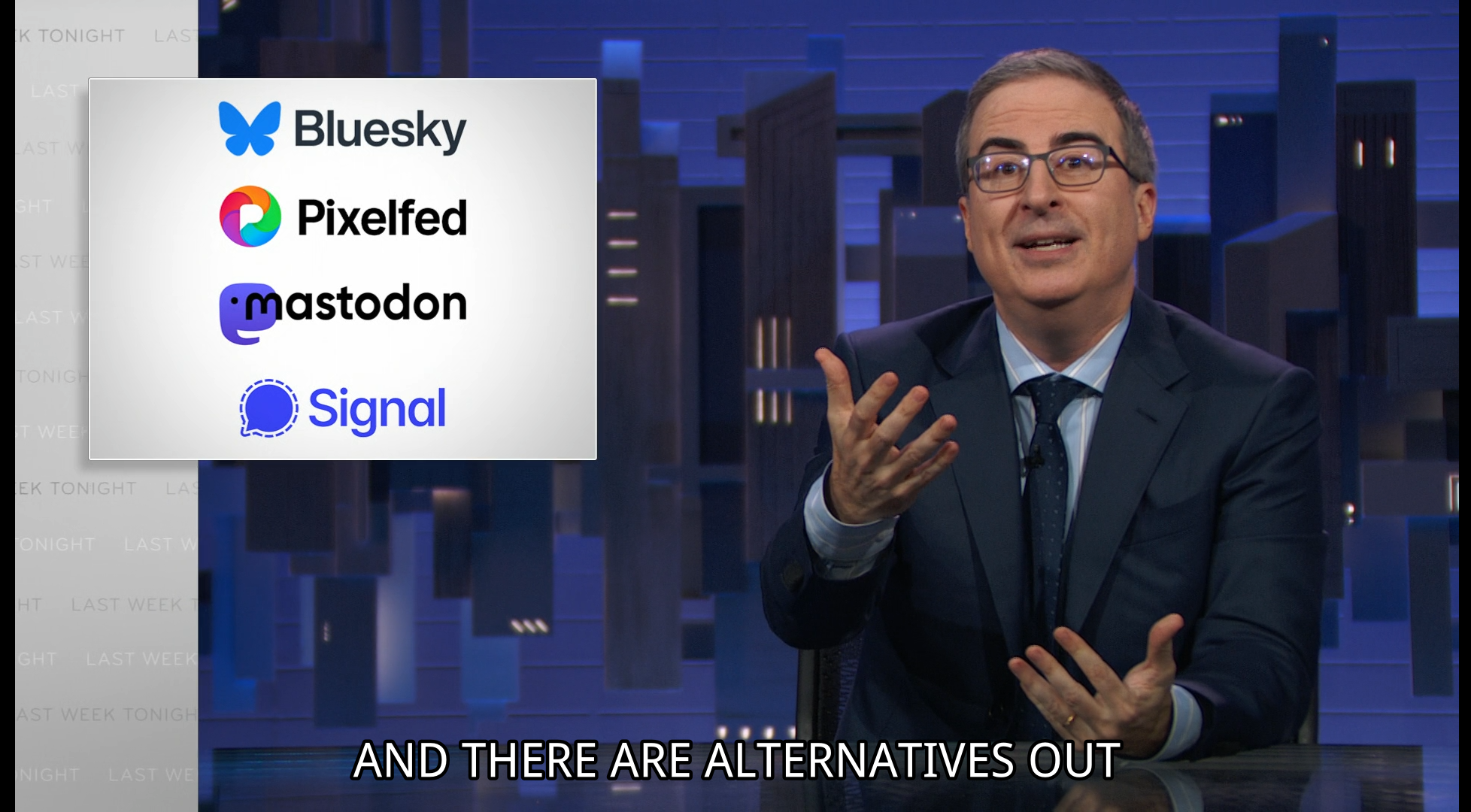
The community !tech@programming.dev could also use some love
It looks like there are a number of reports on this post. If you could edit a tag into the title, such as
[], that would probably make everyone happy
 3·20 days ago
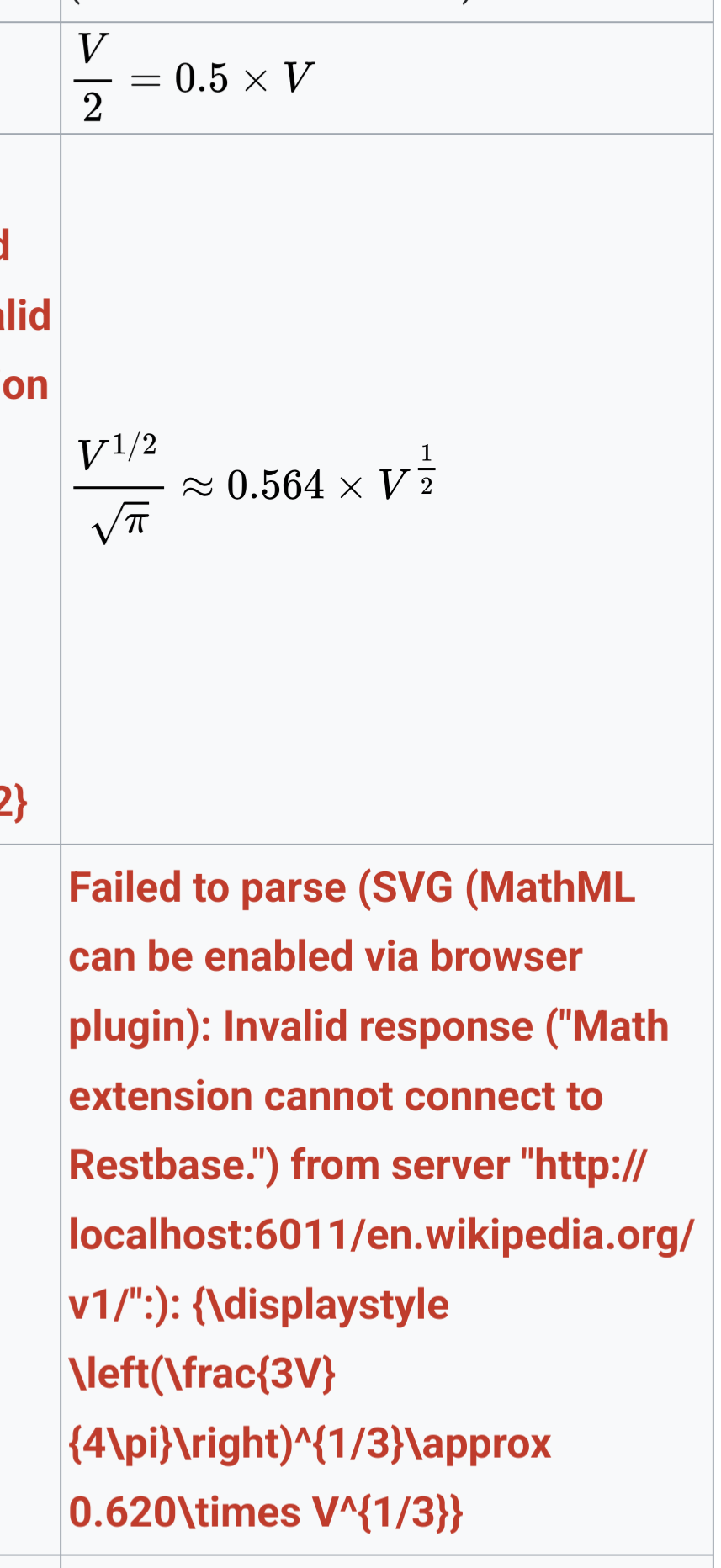
Ok yep, I have the display issue as well. Interestingly, it only affects some of the equations. I’ll take a better look this evening
Can you link the article so that others can take a look?
The description sounds more like an AI receptionist than an AI nurse. It would be helpful if patients could ask follow-up questions to the automated phone call before an appointment. Some clinics don’t have the manpower for that, and especially not in all the languages that the local population might speak.
I’d be interested in seeing how good the model actually is, and how it determines when to pass it along to a human
The concern is with making sure the AI model is only used where it makes sense. Those who are looking to cut costs will try and use it everywhere, and that needs to be kept in check
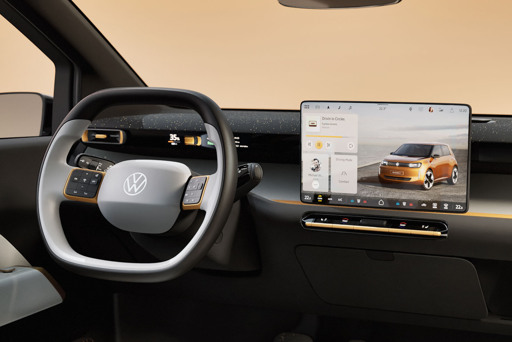




https://www.theverge.com/2025/1/9/24339817/vlc-player-automatic-ai-subtitling-translation
The popular open-source VLC video player was demonstrated on the floor of CES 2025 with automatic AI subtitling and translation, generated locally and offline in real time. Parent organization VideoLAN shared a video on Tuesday in which president Jean-Baptiste Kempf shows off the new feature, which uses open-source AI models to generate subtitles for videos in several languages.
Ok now that’s cool. Since it’s often all doom and gloom here, celebrating good tech is a nice change :)





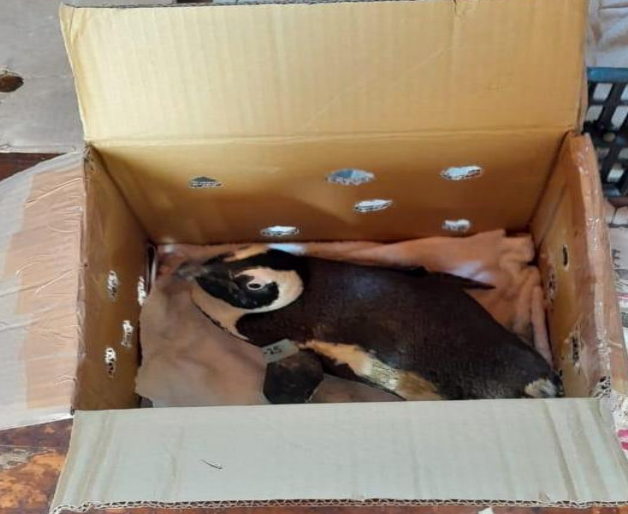

Also posting to !offbeat@lemmy.ca. It’s a small community that others might like too