Nuclear’s big selling point is that the sun goes down. Batteries have apparently missed that memo: they keep getting cheaper, better, and more efficient. Storage won’t solve every grid problem overnight, but pretending today’s limitations are permanent is a strange way to plan tomorrow’s energy system.
another big selling point of nuclear is it’s easy to drop in at old coal plants that already have grid connections ready to go.
pretending today’s limitations are permanent is a strange way to plan tomorrow’s energy system.
how long are you willing to wait for perfect energy storage?
obviously battery tech will improve, but the point is we cannot afford to assume that problem will be solved 100%, meanwhile experiencing more and more irreversible damage to our environment. We need to put our eggs into all clean energy baskets to get off CO2 as soon as possible. Not whenever battery tech happens to be ready to handle everything.
Nobody’s asking us to bet on miracle batteries: Wind and solar paired with storage are already cheaper than building new nuclear. Reusing a coal plant’s grid connection doesn’t magically make a reactor cheap or quick to build. If speed and CO2 matter, follow the numbers, not the nostalgia.
“it’s easy to drop at a place that has grid connections”
Funny, because solar or literally any other plant will also benefit from having existing connections, and all of them are easier and cheaper to build than nuclear.
No, in my world tomorrow’s grid uses whatever delivers reliable electricity at the lowest total cost: solar, wind, hydro, geothermal, storage, and yes, nuclear if it can compete. This isn’t a religion with approved energy sources. It’s an engineering problem with a price tag, and nobody gets bonus points for glowing in the dark.
Exactly, this is an engineering problem. You’re talking it like it’s an accounting one. Reliability, emergency use, redundancy, generating potential and universal scalability are the most important factors. Cost is a completely separate issue governed by separate factors, many of which are 100% artificial.
Cost is the single largest factor in the deployment of new power plants, and solar is just impossible to match right now.
You could spend literally decades and billions building a nuclear plant, or start deploying solar right this minute and immediately reap the rewards of that investment.
You could say that the numbers scribbled down on pieces of paper next to a dollar sign are artificial or miscalculated, but the invested manpower and resources and time (and a large number of other consequences) are all very real, and translate into a cost.
Is your stance we should not have a diverse grid? Because that’s the only point I’ve really made this whole time. The more methods we have to produce electricity and the more redundancy the better. Currently active nuclear plants produce the cheapest power. Building new is more expensive, sure. That doesn’t mean we abandon the tech and soley focus on one solution.
yes i know that, genius. the point is that is not an argument people are using for nuclear. it’s a blatant straw man from someone clearly not engaging in a goood faith discussion.
That’s kind of the point; it’s not a straw man, it’s saying that the options should be considered on their merits not on irrelevancies. “There are no bonus points added to the scoring just because nuclear looks cool when it glows”
Not among the general population, but among internet nerd culture, nuclear has a certain level of support purely for cultural reasons. There’s a culture of people on the internet who like nuclear primarily as a cultural shibboleth. If you can convince yourself that the only reason nuclear hasn’t taken off is due to unreasonable fear and technical illiteracy, then supporting nuclear is extremely self-affirming. Supporting nuclear is a way of saying to yourself and others “I am a rational and scientific person. I know the facts about nuclear. I know the fears of its safety are overblown. I’m smart and intelligent while the common rubes are scientifically illiterate fools.”
The truth is that while groups like Greenpeace exist, nuclear has failed largely because it’s just too damn expensive. But fission fanboys never talk about the cost. They just wax endlessly about how safe nuclear is, or repost old canards about how coal releases more radiation than nuclear, or the per-watt death figures. Etc. Endless repetition of factually correct but utterly irrelevant information.
Nuclear is simply incompatible with renewables, if the price tag is of any concern to you. Nuclear reactors take long and cost a lot to build, still aren’t cheap to operate if you include the infrastructure cost of getting, handling and storing the fuel, can’t respond to changing demand quickly and are centralized.
Nuclear power plants need subsidies over their whole life, mainly to handle the risk inherent with nuclear fuel and the finincial risk of having to handle spent fuel for centuries to come.
Nuclear power plants need to run at full power, which costs money every time renewables are pushing the energy price into the negatives.
Nuclear power plants need a centralized power grid.
Renewables work in exactly the opposite way. They are cheap to build and maintain, they are variable and decentralized. So to use renewables effectively, you need to build a decentralized grid and ideally on-premise energy storage.
Renewable energy simply wins in terms of cost, risk-management and scalability. So the energy grid of the future will be purpose-built to accomodate renewable energy. Trying to force nuclear energy generation into that mix only makes sense, if you have a clear, non-monetary reason to do so, like enriching uranium for bombs. For strictly commercial use, nuclear power is dead.
There will be diversity in the future grid, but that diversity will be in the forms of energy storage used. I think the grid of the future is almost entirely solar but with different energy storage systems optimized for different time scales. For storage on the order of seconds, you use fly wheels to replace the spinning mass once provided by gas turbines. For daily swings, vast warehouses full of old electric car batteries work well. For longer term storage, you can use chemical energy storage or flow batteries. Think making vast tanks of ammonia or methane. You use excess electricity in the summer, store it as chemical energy in vast tank farms, and then burn it or run it through a fuel cell in the winter.
Although, for seasonal variation, the most practical solution might be just to spam solar panels. It just depends on the price ratio of solar panel cost to storage cost. You could have a grid that just had so much solar deployed that it is able to cover energy demand even on cloudy winter days. You just flat out build that many panels. Maybe then in the summertime you’re capable of producing 10x your normal power needs.
Seems wasteful, but this would just encourage a lot of very energy-intensive industries to become more seasonal. We have a farming season, why not an steal smelting season? Why not an AI model training season? Maybe for datacenters, the big runs are done during the summer when power is dirt cheap. Then the companies spend the winter planning next year’s runs, etc. Or the extra power could be used to make synthetic fuels from CO2 pulled from the air. Maybe we never figure out how to make batteries good enough to power a trans-oceanic jumbo jet. But maybe we don’t have to. You offer dirt cheap energy on a seasonal basis, and people will find uses for it eventually.


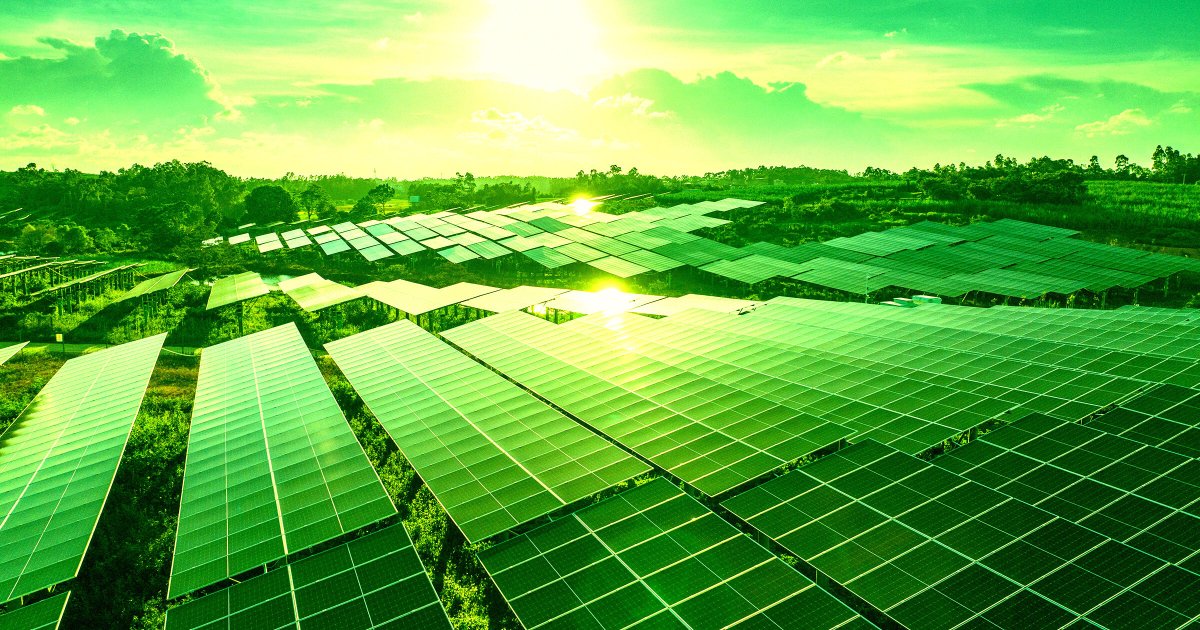
And turns out nuclear has a few competitive advantages over solar. They are both great and serve different purposes.
Nuclear’s big selling point is that the sun goes down. Batteries have apparently missed that memo: they keep getting cheaper, better, and more efficient. Storage won’t solve every grid problem overnight, but pretending today’s limitations are permanent is a strange way to plan tomorrow’s energy system.
another big selling point of nuclear is it’s easy to drop in at old coal plants that already have grid connections ready to go.
how long are you willing to wait for perfect energy storage?
obviously battery tech will improve, but the point is we cannot afford to assume that problem will be solved 100%, meanwhile experiencing more and more irreversible damage to our environment. We need to put our eggs into all clean energy baskets to get off CO2 as soon as possible. Not whenever battery tech happens to be ready to handle everything.
Nobody’s asking us to bet on miracle batteries: Wind and solar paired with storage are already cheaper than building new nuclear. Reusing a coal plant’s grid connection doesn’t magically make a reactor cheap or quick to build. If speed and CO2 matter, follow the numbers, not the nostalgia.
“Cheaper” is not the most important metric.
“it’s easy to drop at a place that has grid connections”
Funny, because solar or literally any other plant will also benefit from having existing connections, and all of them are easier and cheaper to build than nuclear.
Nuclear is dead but for niche applications.
In your world, is “tomorrow’s energy system” exclusively solar/hydro?
No, in my world tomorrow’s grid uses whatever delivers reliable electricity at the lowest total cost: solar, wind, hydro, geothermal, storage, and yes, nuclear if it can compete. This isn’t a religion with approved energy sources. It’s an engineering problem with a price tag, and nobody gets bonus points for glowing in the dark.
Exactly, this is an engineering problem. You’re talking it like it’s an accounting one. Reliability, emergency use, redundancy, generating potential and universal scalability are the most important factors. Cost is a completely separate issue governed by separate factors, many of which are 100% artificial.
You’re stringing worlds together at this point.
Cost is the single largest factor in the deployment of new power plants, and solar is just impossible to match right now.
You could spend literally decades and billions building a nuclear plant, or start deploying solar right this minute and immediately reap the rewards of that investment.
It’s a no-brainer.
But it doesn’t need to be one or the other. The more diverse the grid the better. I’ll also say again, cost on both sides is mostly artificial anyway.
Again, you’re stringing words together.
Cost is a very real measure.
You could say that the numbers scribbled down on pieces of paper next to a dollar sign are artificial or miscalculated, but the invested manpower and resources and time (and a large number of other consequences) are all very real, and translate into a cost.
Is your stance we should not have a diverse grid? Because that’s the only point I’ve really made this whole time. The more methods we have to produce electricity and the more redundancy the better. Currently active nuclear plants produce the cheapest power. Building new is more expensive, sure. That doesn’t mean we abandon the tech and soley focus on one solution.
Dude, the cost is the final decision point after all those concerns are handled…
where the fuck did anybody say that?
“Glowing in the dark” refers to nuclear power sources. Hope this helps.
yes i know that, genius. the point is that is not an argument people are using for nuclear. it’s a blatant straw man from someone clearly not engaging in a goood faith discussion.
That’s kind of the point; it’s not a straw man, it’s saying that the options should be considered on their merits not on irrelevancies. “There are no bonus points added to the scoring just because nuclear looks cool when it glows”
A lot of people support nuclear for largely cultural reasons.
What cultural reasons would anybody support it for?
Not among the general population, but among internet nerd culture, nuclear has a certain level of support purely for cultural reasons. There’s a culture of people on the internet who like nuclear primarily as a cultural shibboleth. If you can convince yourself that the only reason nuclear hasn’t taken off is due to unreasonable fear and technical illiteracy, then supporting nuclear is extremely self-affirming. Supporting nuclear is a way of saying to yourself and others “I am a rational and scientific person. I know the facts about nuclear. I know the fears of its safety are overblown. I’m smart and intelligent while the common rubes are scientifically illiterate fools.”
The truth is that while groups like Greenpeace exist, nuclear has failed largely because it’s just too damn expensive. But fission fanboys never talk about the cost. They just wax endlessly about how safe nuclear is, or repost old canards about how coal releases more radiation than nuclear, or the per-watt death figures. Etc. Endless repetition of factually correct but utterly irrelevant information.
Nuclear is simply incompatible with renewables, if the price tag is of any concern to you. Nuclear reactors take long and cost a lot to build, still aren’t cheap to operate if you include the infrastructure cost of getting, handling and storing the fuel, can’t respond to changing demand quickly and are centralized.
Nuclear power plants need subsidies over their whole life, mainly to handle the risk inherent with nuclear fuel and the finincial risk of having to handle spent fuel for centuries to come. Nuclear power plants need to run at full power, which costs money every time renewables are pushing the energy price into the negatives. Nuclear power plants need a centralized power grid.
Renewables work in exactly the opposite way. They are cheap to build and maintain, they are variable and decentralized. So to use renewables effectively, you need to build a decentralized grid and ideally on-premise energy storage.
Renewable energy simply wins in terms of cost, risk-management and scalability. So the energy grid of the future will be purpose-built to accomodate renewable energy. Trying to force nuclear energy generation into that mix only makes sense, if you have a clear, non-monetary reason to do so, like enriching uranium for bombs. For strictly commercial use, nuclear power is dead.
There will be diversity in the future grid, but that diversity will be in the forms of energy storage used. I think the grid of the future is almost entirely solar but with different energy storage systems optimized for different time scales. For storage on the order of seconds, you use fly wheels to replace the spinning mass once provided by gas turbines. For daily swings, vast warehouses full of old electric car batteries work well. For longer term storage, you can use chemical energy storage or flow batteries. Think making vast tanks of ammonia or methane. You use excess electricity in the summer, store it as chemical energy in vast tank farms, and then burn it or run it through a fuel cell in the winter.
Although, for seasonal variation, the most practical solution might be just to spam solar panels. It just depends on the price ratio of solar panel cost to storage cost. You could have a grid that just had so much solar deployed that it is able to cover energy demand even on cloudy winter days. You just flat out build that many panels. Maybe then in the summertime you’re capable of producing 10x your normal power needs.
Seems wasteful, but this would just encourage a lot of very energy-intensive industries to become more seasonal. We have a farming season, why not an steal smelting season? Why not an AI model training season? Maybe for datacenters, the big runs are done during the summer when power is dirt cheap. Then the companies spend the winter planning next year’s runs, etc. Or the extra power could be used to make synthetic fuels from CO2 pulled from the air. Maybe we never figure out how to make batteries good enough to power a trans-oceanic jumbo jet. But maybe we don’t have to. You offer dirt cheap energy on a seasonal basis, and people will find uses for it eventually.