That is some serious spin on a garbage gambling system that is easily manipulated. Like sports betting the goal is to try and get both sides to bet as evenly as possible and then take your cut off the top.
These markets are useful to take money from rubes and all your spin on their usefulness amounts to an endorsement that there is some value if you look hard enough. Hint: there isn’t.
Like sports betting the goal is to try and get both sides to bet as evenly as possible and then take your cut off the top.
False. The house just takes a percentage of all bets (usually 0.5%). The price (from 0 to $1) is what fully balances buyers/sellers. The house has no risk of loss. You can say that futures markets or options are gambling with large majority of participants eventually losing everything they put up, but that doesn’t mean that futures prices do not have predictive value.
You obviously don’t understand what you are commenting on, and there is no valid reason to call what I said, endorsement spin.
The goal is engagement. If you don’t understand drawing as many players on both sides of the bet is the most profitable for them then you must not understand how this really works.
You must be operating under some profound misconceptions of what modern bookies for sports betting do.
bookies put up their own money on the other side. adjust odds to try to even up the sides of a bet. Prediction markets are like a casino rake on a poker game. The casino is not gambling its own money.
That was how they used to do things, and I am sure there may be some people who still operate like this.
Modern bookies use juice which amounts to small fees to make profit, balance the books by encouraging betting on both sides, hedge their bets by passing on risk to larger bookies and/or betting sites, and of course ban players if they are winning too much.
The deregulated nature of this form of gambling results in a lot of corruption and predictive betting is even more problematic.


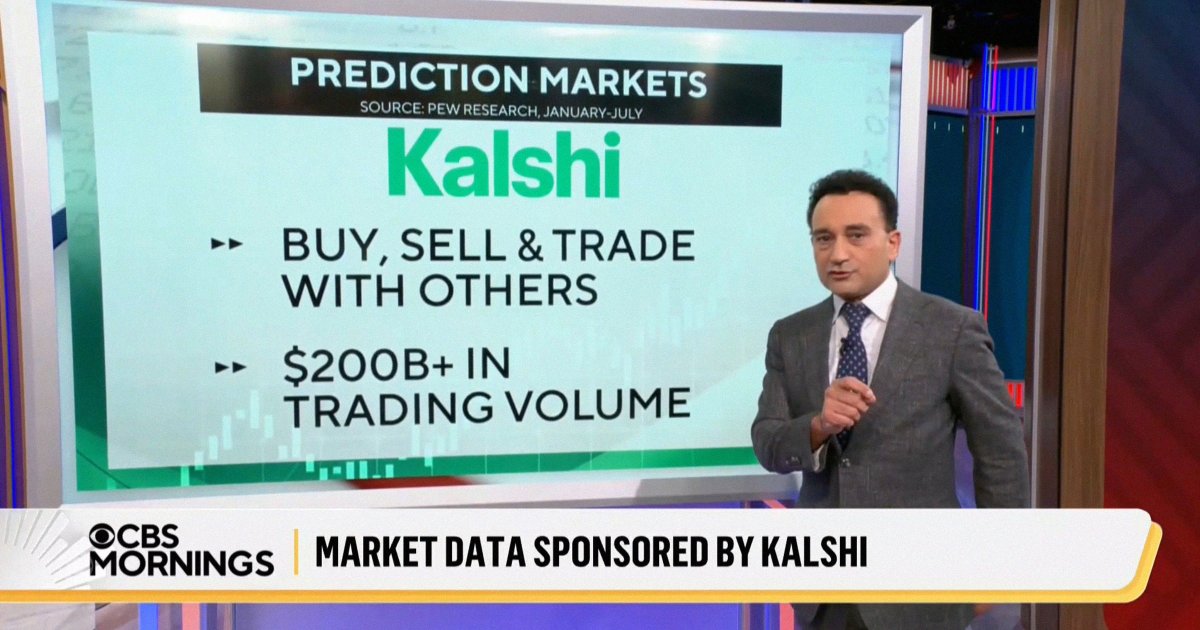
That is some serious spin on a garbage gambling system that is easily manipulated. Like sports betting the goal is to try and get both sides to bet as evenly as possible and then take your cut off the top.
These markets are useful to take money from rubes and all your spin on their usefulness amounts to an endorsement that there is some value if you look hard enough. Hint: there isn’t.
False. The house just takes a percentage of all bets (usually 0.5%). The price (from 0 to $1) is what fully balances buyers/sellers. The house has no risk of loss. You can say that futures markets or options are gambling with large majority of participants eventually losing everything they put up, but that doesn’t mean that futures prices do not have predictive value.
You obviously don’t understand what you are commenting on, and there is no valid reason to call what I said, endorsement spin.
The goal is engagement. If you don’t understand drawing as many players on both sides of the bet is the most profitable for them then you must not understand how this really works.
You must be operating under some profound misconceptions of what modern bookies for sports betting do.
bookies put up their own money on the other side. adjust odds to try to even up the sides of a bet. Prediction markets are like a casino rake on a poker game. The casino is not gambling its own money.
That was how they used to do things, and I am sure there may be some people who still operate like this.
Modern bookies use juice which amounts to small fees to make profit, balance the books by encouraging betting on both sides, hedge their bets by passing on risk to larger bookies and/or betting sites, and of course ban players if they are winning too much.
The deregulated nature of this form of gambling results in a lot of corruption and predictive betting is even more problematic.